Two-hour TB test may revolutionise global treatment of disease
NEW DELHI, Dec 10: A 100-year-old diagnostic test to detect tuberculosis will soon have another alternative — a 100-minute test. It is a major milestone for global TB diagnosis and care.
A diagnostic test that can accurately detect the most dangerous strains of tuberculosis that are multi-drug resistant (MDR TB) or the ones complicated with HIV co-infection, in only 1.4 hours has finally been endorsed by the World Health Organization ( WHO). The 100-minute test is fully automatic with minimal hands-on technical time. The current tests can take up to three months to diagnose a single case.
Scientists say implementation of this test could result in a three-fold increase in diagnosis of patients with MDR TB, and a doubling in the number of HIV-associated TB cases.
Interestingly, the announcement comes just days after ToI pointed out to how Xpert — the newage test — is of dire global need.
WHO's endorsement of the rapid test, Xpert NAAT, (nucleic acid amplification test) follows 18 months of rigorous field assessment. "We've scientific evidence. We've defined the policy, and now we aim to support implementation for impact in countries," said Dr Mario Raviglione, director of WHOs' Stop TB programme.
Many countries, like India, still rely principally on sputum smear microscopy, a diagnostic method that was developed over a century ago. WHO's endorsement should now make it easier for India's TB control programme to introduce it in earnest. Vivek Dharmraj from Global Health Advocates said, "We are very positive about the potential of Xpert. As it is highly portable and easy to use, the community can be easily trained to use this test."
ToI had reported how Christian Medical College, Vellore, was testing and evaluating Xpert, which not only detects the presence of TB, but also identifies whether it is resistant to rifampin, a critical first-line drug.
Get rid of your belly fat!
NEW DELHI, Nov 8: Whether you have a major paunch or a tiny roundness and want to slim down, we have just the answers for you .
Looking for the simplest way to get rid of fat around your tummy? Go for this creative 20-minute fat-blasting workout and you'll begin to see a toned tummy in just three weeks. Do them four times a week, with a day of rest in between.
Work out
Your legs are your scissors: Lie on your back with arms by your sides, legs raised, and toes pointing toward the sky. Flatten your lower back, engaging lower tummy muscles.
Inhale while lowering your right leg, so your toes are in line with your nose. Exhale, switching your legs scissor-like, so your right leg lifts back up and your left comes down. (Don't touch the ground with your foot.) Do 3 sets of 8–10 reps.
Lie flat in front: Get on your knees and forearms with your elbows directly under your shoulders, fingers interlaced. Stretch your legs long, and come up on your toes into plank position. Exhale while twisting slightly to the left from your waist only. Inhale, returning to the starting position, then repeat on the opposite side. Do three sets of 10-12 reps.
A ball-game: Look up at the ceiling, lie down on a stability ball, and drape your abs and hips over it. Place your hands on the ground in front of you, and walk them out until the ball rolls beneath your shins; contract your lower abs and lift your hips slightly, then slowly lower them down. Do three sets of 10-12 reps.
Sleeping Buddha-pose: Lie on your left side with your legs straight and stacked on top of one another and your feet flexed. Rest your head on your straight left arm. Inhale while lifting both legs off the ground, then exhale while slowly lowering them until they're about 1 inch off the ground. Do 10-12 reps, then switch sides and repeat to complete 1 set; do three sets.
Major paunch: Do 3 sets of 15 bicycle crunches 2-3 times a week, plus 30-45 minutes' worth of run-walk intervals (2 minutes each) 4-5 times a week. You'll notice the result in 4 weeks.
Tiny roundness: Do 3 sets of 12-15 crunches on a stability ball 2-3 times a week to sculpt your tummy in 3 weeks.
Eat this
Major paunch: Cut or burn 500 calories and drink 2 cups of green tea daily, as green tea alone helped exercisers drop ab fat in 12 weeks.
Tiny roundness: Eat snacks with belly-busting monounsaturated fatty acids (MUFA) daily: 23 almonds, 6 olives, or 2 squares dark chocolate. MUFAs can reduce ab fat in a month.
Fake it
Major paunch: Dress in a way that your belly fat is kept hidden. Go for lacy camisoles to pull in and shape your middle, plus give your chest a lift.
Tiny roundness: Get a belt that's at least 3 inches wide and made of a stiff material or leather. A belt that won't bend like a corset helps to hide your tummy.
Brain study shows why fresh romance can ease pain
NEW YORK, Oct 14: Sometimes love does feel like it should. Falling in love can act as a potent painkiller, and now scientists have figured out why- It stimulates the brain’s reward pathway, much like the rush of an addictive drug.
The next question is whether better understanding of the love-pain relationship might somehow help scientists tackle chronic pain. Falling head over heels isn’t exactly something a doctor can prescribe.
But “maybe prescribing a little passion in one’s relationship can go a long way toward helping with one’s chronic pain {hbox}” assuming it’s passion with the one you’re with,” said study co-author Dr. Sean Mackey, chief of pain management at Stanford University.
The story begins with psychology professor Arthur Aron of the State University of New York at Stony Brook, who studies the neurology of love. His work has linked that euphoric phase of a fresh romance to brain regions rich in the chemical dopamine. Dopamine is key to what’s called the brain’s reward pathway, the feel-good mechanisms that encourage certain behaviors. Eating sweets, for example, boosts this system -- and addictive drugs like cocaine hijack it.
“When people are in love, in many ways it’s not dissimilar to what they get when they take amphetamines or stimulants. They’re very excited, have loss of appetite, sleep loss, they’re active, full of energy,” noted Dr. Nora Volkow, director of the National Institute on Drug Abuse and a dopamine expert.
Then pain specialists noticed that if someone in an intense romance gazes at a picture of his or her amour while being poked or prodded, they feel less pain.
Is that because their love is distracting them from the pain? After all, specialists often advise sufferers to listen to music or try other steps to take their mind off the pain. Or did love work some other way? Mackey and Stanford colleague Dr. Jarred Younger teamed with Aron to find out.
They put up campus signs seeking love-struck Stanford undergrads and within hours couples were flocking in, “the easiest study we have ever recruited for in my entire career,” said Mackey.
Fifteen people underwent a battery of tests. They looked at either a picture of their new love or a picture of an attractive acquaintance, or were given distracting tasks such as to list sports that don’t involve balls. Researchers touched them with a hot wand to induce moderate pain, and scanned their brains.
Looking at their loved one and distraction produced equal pain relief -- but the distraction worked through cognitive pathways while the romance triggered a surge in that reward pathway, the team reported Wednesday in the journal PLoS One.
That means the brain can generate pain-controlling responses without medications that perhaps, “if we understood them better, we could trigger them,” said NIDA’s Volkow.
Caution- New love’s flush can fade to commitment, which doesn’t trigger the same brain response. But Aron said he recently found that doing something new and exciting with a long-time partner stirs up that old passion, “a good idea whether you’re in pain or not.”
Are water purifiers safe?
HYDERABAD, Sept 21: Branded purifiers harmful as they use overdose of chemicals: study
Are water purifiers more harmful than polluted water? “Yes”, says noted consumer activist Bejon Misra. And he has come out with a publication providing evidence that even the branded water purifiers are harmful as they use overdose of chemicals for purification that get deposited in the bodies after consuming.
Mr. Misra, who released his book “Safety issues concerning storage water purifiers” at Crossword Book Store, said that the companies do not adhere to international standards with regard to usage of chemicals and they mislead the consumers making tall claims.
Unfortunately, the consumer is in no position to verify the claims.
“They are buying branded purifiers based on faith but actually are consuming overdose of chemicals like Chlorine, bromide and nano-silver,” he said, adding that consumption of these chemicals lead to dangerous diseases.
Mr. Misra said it was time the government prescribes standards for water purifiers as it did in case of packaged drinking water. Companies don't provide relevant information on the residues of chemicals the purification process leaves behind in their product.
“We are not against the usage of purifiers but against the overdose of chemicals used for purification.” The book, he said, talks about some crucial issues like how the government has failed to address these problems and how companies were exploiting the customers.
However, Mr. Misra said that products that use reverse osmosis process and ultra-violet rays for purification of water were safe.
Arjun L. Khandare from the National Institute of Nutrition (NIN), who received the first book agreed to the points raised by Mr. Misra.
Coordinated drive to tackle dengue: Azad
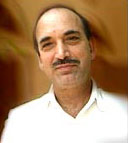 NEW DELHI, Sept 3: With dengue cases crossing last year's figure of 1,153 in Delhi, Government on Friday said it would launch a special cleaning drive from 6th September to prevent breeding of mosquitoes even as it assured that the strain prevalent this year was far less lethal. NEW DELHI, Sept 3: With dengue cases crossing last year's figure of 1,153 in Delhi, Government on Friday said it would launch a special cleaning drive from 6th September to prevent breeding of mosquitoes even as it assured that the strain prevalent this year was far less lethal.
After a meeting with all the civic agencies of the capital as well as the Delhi Government, Union Health Minister Ghulam Nabi Azad told reporters that from Monday a massive, coordinated cleaning operation for two days would be launched which would cover all roads, lanes and bylanes.
The operation would be conducted by MCD, NDMC, CPWD and the cantonment board.
"Mostly big roads are being cleaned and small lanes, bylanes and houses are kept unattended," Azad said.
He said that the ministry has also asked agencies like Metro and CPWD to close work in areas where construction is over and use insecticides at the sites of under-construction projects.
"We have also asked the Delhi Government to ensure cleanliness in all government hospitals," Azad said adding MCD has been asked to form ward-level committees to take responsibility of cleaning up the areas.
The Health Minister said he has requested MCD to institute awards for best performing wards in the cleanliness drive.
The meeting also arrived at a decision to provide Resident Welfare Associations in all localities with the chemical 'Tamiphos' which can be sprayed to kill mosquitoes and their larvae.
"All Government buildings specially multi-storied ones would be monitored to check for breeding in their water tanks, coolers and other places where water collects," Azad said.
MCD and NDMC have also been asked to open call centres where people can call and report any breeding or water logging.
Azad, however, clarified that there was no need to panic as the dengue strain in circulation was of type-I variety, which is far less lethal.
He repeated his contention that the outbreak was massive this year because of the large-scale construction activity and excess monsoons.
Azad said efforts made by various agencies to contain the disease so far were isolated attempts and in Friday's over two-hour long meeting, there was a unanimous decision to coordinate efforts.
"There was no passing the buck," he added.
The meeting was attended by Delhi Health Minister Kiran Walia, Mayor Kanwar Sain, Health Secretary Sujatha Rao and other senior officials as well as representatives of hospitals, NDMC, Cantonment Board and CPWD.
The city had recorded 1,55 dengue cases this year, crossing the last years's mark of 1,153. Three persons have died.
According to statistics released by the Municipal Corporation of Delhi, the number of cases till this time in 2009 was only four.
The figure was 92 and 22 in the same periods in 2008 and 2007 respectively.
According to the MCD, in the previous years, the total number of dengue cases and deaths were 1,312 and 2 (2008), 548 and 1 (2007) and 3,366 and 36 (2006).
Azad blames it on construction sites
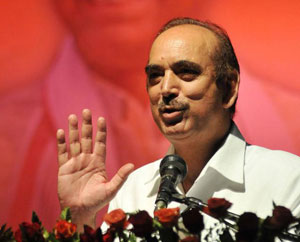 NEW DELHI, Aug 22: Union Health and Family Welfare Minister Ghulam Nabi Azad on Sunday said large-scale construction for the coming Commonwealth Games was responsible for the huge number of dengue cases in the capital. He asked the people to remain alert and take preventive measures. NEW DELHI, Aug 22: Union Health and Family Welfare Minister Ghulam Nabi Azad on Sunday said large-scale construction for the coming Commonwealth Games was responsible for the huge number of dengue cases in the capital. He asked the people to remain alert and take preventive measures.
Mosquitoes breeding at construction sites is one of the reasons behind the menace, Mr. Azad told journalists on the sidelines of a function here. “The presence of dengue and water is strongly related.”
Delhi is dug up because of the Games, and it is also raining very heavily in the city after a long time.
“Since water remains accumulated in many places, it becomes a breeding ground for mosquitoes,” the Minister said.
Health officials have said that the number of dengue cases this year is highest in the last six years. The city had, on Saturday, recorded the highest single-day incidence of dengue cases being reported this season, with 36 patients testing positive.
The number of confirmed dengue cases on Sunday was 35 and the total figure for the season stood at 419. Six people have died so far.
The Ministry has asked its officials to visit construction sites to take stock of the situation and ensure there was no outbreak ahead of the Games.
Indian Parliament passes Bill to make clinical registration must
NEW DELHI, Aug 3: Parliament on Tuesday passed a bill making it binding on all clinical establishments in four states and Union Territories to register themselves with the government.
"The law seeks to fill up the gaps for time-bound and quality medical treatment," Health Minister Ghulam Nabi Azad said in the Rajya Sabha in his reply to the debate on the Bill on Tuesday.
Later, the Rajya Sabha passed the 'Clinical Establishments (Registration and Regulation) Bill,2010. The Lok Sabha has already passed the draft legislation.
Initially, the Bill after it becomes a law, will be applicable in Arunachal Pradesh, Mizoram, Himachal Pradesh and Sikkim and all UTs.
Since Parliament has no power to make laws relating to the state subjects, it is doing so at the behest of these four states.
"The state Assemblies of only these four states passed a resolution allowing Parliament to enact a law," Azad said adding that the legislation can be extended to other states, once their Assemblies adopt resolutions.
Azad said he has written to all the chief ministers, "Most of them have replied in affirmative", he added.
He said registration of clinical establishments would help the government to build a database for hospitals, which in turn would assist in formulating the national policies on health.
The hospitals and clinics would be categorised according to the facilities available with them and their database along with costs would be put on the websites. This would help patients make a choice for treatment, the minister said.
On opposition's charges that the legislation would be toothless, Azad said, "We do not want to impose licence raj on the health sector... we need to go slowly and not take harsh measures which may be problematic."
He said the private sector is adding to a lot of capacity building and any harsh legislation would deter their growth.
The Bill, covering both the private and the government sector provides for penalties to those contravening the law.
The penalties, starting from Rs 10,000 can go up to Rs five lakh. On an apprehension of CPI-M member Brinda Karat that the penal provisions may be misused against nurses and staff, the minister agreed to "examine" the issue.
On members' demand, Azad also agreed to put in rules to ensure that owners of the clinical establishments are not exempted from the penal actions.
Bill for uniformity in healthcare delivery introduced in Rajya Sabha
By Deepak Arora
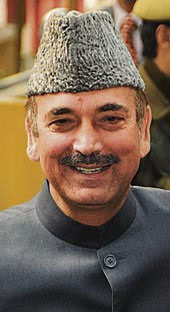 NEW DELHI, Aug 2: Health Minister Ghulam Nabi Azad introduced in the Rajya Sabha on Monday a bill seeking to bring uniformity in the healthcare delivery by making registration of all clinical establishments mandatory. NEW DELHI, Aug 2: Health Minister Ghulam Nabi Azad introduced in the Rajya Sabha on Monday a bill seeking to bring uniformity in the healthcare delivery by making registration of all clinical establishments mandatory.
The Clinical Establishment (Registration and Regulation) Bill prescribes enhanced penalty for defaulters.
Mr. Azad said many countries have “regulatory framework” for healthcare and the Bill, which has already been passed by the Lok Sabha in the last session, provided the same.
He said as per the Constitution, Health is a state subject and the Bill was being introduced as four states - Arunachal Pradesh, Himachal Pradesh, Mizoram and Sikkim - passed a resolution in their respective Assemblies in favour of the measure.
It will also be applicable to the Union Territories and other states if they pass a resolution adopting the Bill. The main objective of the new statute is to bring uniformity in the healthcare delivery by making registration of all clinical establishments mandatory and prescribing enhanced penalty for defaulters.
Under provisions of the Bill, the clinical establishments would include hospitals, maternity homes, nursing homes, dispensaries, clinics and similar facilities with beds that offer diagnosis, treatment or care for illness or injury or pregnancy in any recognised system of medicine such as Allopathy, Yoga, Naturopathy, Ayurveda, Homoeopathy, Siddha and Unani.
It also includes any laboratory which offers pathological, bacteriological, genetic, radiological, chemical, biological and other diagnostic or investigative services. The establishments can be owned by the government or a department of the government, a Trust (public or private), a corporation (including a cooperative society), a local authority or a single doctor establishment.
Initiating a discussion on the Bill, Rama Jois (BJP) lamented that only four states have adopted it so far and pointed out to problems of medical laboratories in the country.
Highlighting the problem of unregulated laboratories, he said there was no provision in the Bill that such laboratories should be accredited.
He said the state governments should fix the rates for all tests and no lab should charge more than the prescribed rate.
Sudarsana Natchiappan (Congress) listed achievements of the UPA government in providing healthcare to the people. He wanted a record of the doctors, who get their degrees with the taxpayer's money and then migrate abroad.
Avtar Singh Karimpuri (BSP) felt the Bill was more in favour of the corporate hospitals.
UNICEF stresses role of healthcare providers in urging mothers to breastfeed kids
 Aug 1: On the occasion of World Breastfeeding Week, the United Nations Children’s Fund (UNICEF) emphasized the importance of health care providers in urging new mothers to breastfeed their children. Aug 1: On the occasion of World Breastfeeding Week, the United Nations Children’s Fund (UNICEF) emphasized the importance of health care providers in urging new mothers to breastfeed their children.
The special week began on Sunday and will last until Saturday. It is promoted by UNICEF along with the World Alliance for Breastfeeding Action (WABA) and the World Health Organization (WHO). “As part of the week’s activities UNICEF and its partners are asking health professionals to encourage new mothers to breastfeed their children,” Martin Nesirky, UN spokesperson, told reporters on Monday.
The theme for this year’s World Breastfeeding Week is “Just 10 Steps - the Baby Friendly Way.” It will highlight 10 strategies that WHO and UNICEF originally proposed in 1989 to help medical care providers promote breastfeeding in maternal health facilities worldwide.
“UNICEF’s experts believe the 10 steps should be standard practice in all maternity facilities,” UNICEF said in a press release.
“Breastfeeding support in maternity facilities should also be complimented by primary health care, community and workplace support to reach mothers beyond the first few days in the maternity ward and information for mothers who deliver their babies at home.”
According to UNICEF, breastfeeding is very healthy for infants, giving them essential nutrients and preventing disease as well as helping them grow and develop.
The partners involved in World Breastfeeding Week urge new mothers to exclusively breastfeed their babies for the first six months of life and then combine breastmilk with other feeding as the baby gets older. “While the benefits for children are beyond question, the global rate of exclusive breastfeeding is still only around 37 per cent,” said UNICEF.
“The information that mothers receive from healthcare providers exerts a strong influence on their attitudes to breastfeeding. Healthcare professionals can play a vital role in encouraging new mothers to breastfeed their newborns.”
Not enough evidence on risk of radiation from Mobile Phones
By Deepak Arora
NEW DELHI, July 30: There are no conclusive data available so far on harmful effects radiation emitted by mobile towers. The review of literature does not establish conclusive evidence on the safety or risk of radio frequency radiation (RFR) but growing body of scientific evidences indicate towards the bio-effects and adverse health effects of RFR which may be possible.
The Ministry of Health & Family Welfare had constituted a Committee in 2006 to examine the issue of health hazard due to radiations from mobile phone base stations. The Committee opined that overall there is not enough evidence to show direct health hazard or radio frequency exposure from mobile base stations.
Post Graduate Institute of Medical Education and Research, Chandigarh has studied the side effects of use of mobile phone and not other appliances and found that long term and intensive use of mobile phone may cause inner ear damage. The Committee of the Ministry of Health and Family Welfare constituted in 2006 recommended that a precautionary approach should be adopted till further research data is available.
The Telecom Commission has approved adoption of the guidelines of the International Commission on Non lonizing Radiation Protection (ICNIRP) for limiting Electro magnetic field exposure.
This information was given by Minister of State for for Health and Family Welfare Shri S. Gandhiselvan in written reply to a question raised in Lok Sabha today.
It's official: 'Chicken came before the egg'
LONDON, July 16: It's the age-old question that has puzzled the finest minds for thousands of years -- which came first: The chicken or the egg? Now, scientists claim to have finally discovered the answer to the conundrum -- it's the chicken which came first.
A team from University of Sheffield and University of Warwick has found that a protein called ovocleidin (OC-17) is crucial in the formation of eggshells.
It is produced in the pregnant hen's ovaries so the correct reply to the egg riddle must be that the chicken came first, the scientists say.
However, the research does not come up with how the protein-producing chicken existed in the first place, a local daily reported.
The team used a hi-tech computer, called HECToR, to look at the molecular structure of a shell.
They discovered that OC-17 acts as a catalyst, kick- starting the conversion of calcium carbonate in the chicken's body into calcite crystals.
It is these that make up the hard shell that houses the yolk and its protective fluids while the chick develops.
Lead scientist Dr Colin Freeman of Sheffield University said: "It had long been suspected that the egg came first but now we have the scientific proof that shows that in fact the chicken came first.
"The protein had been identified before and it was linked to egg formation but by examining it closely we have been able to see how it controls the process. It's very interesting to find that different types of avian species seem to have a variation of the protein that does the same job."
The scientists now hope the breakthrough could be used in industry to help develop new materials.
Team member Prof John Harding said: "Nature has found innovative solutions that work for all kinds of problems in materials science and technology. We learn a lot from them."
Calcite crystals are found in numerous bones and shells but chickens form them quicker than any other species, creating six grams (0.2oz) of shell every 24 hours. Once the shell has formed, the chicken expels the egg.
Flourishing Hookah Bars More Injurious to Health
By Brij Bhardwaj
NEW DELHI, May 31: Hookah cafes are popping up all over the country (even in the smallest cities), and teens seem to be drawn to their exotic charm - which makes the hookah trend that much more dangerous. It is estimated that one in four young adults have used a hookah - a water pipe used to inhale flavored tobacco.
 In India many young people seem to believe that hookahs and other water pipes are safer than cigarettes, but use of hookah is equally detrimental to a person’s health as smoking cigarettes, said Dr. Purushottam Lal, chairman and chief interventional cardiologist of Metro Hospitals and Heart Institute. In India many young people seem to believe that hookahs and other water pipes are safer than cigarettes, but use of hookah is equally detrimental to a person’s health as smoking cigarettes, said Dr. Purushottam Lal, chairman and chief interventional cardiologist of Metro Hospitals and Heart Institute.
Hookah was tremendously popular especially during Mughal rule. The hookah has since become less popular; however, it is once again garnering the attention of the masses, and cafés and restaurants that offer it as a consumable are popular. The use of hookahs from ancient times in India was not only a custom, but a matter of prestige. Rich and landed classes would smoke hookahs.
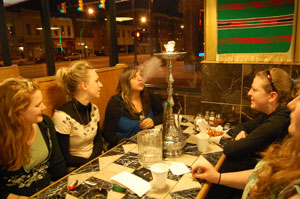 Tobacco is smoked in hookahs in many villages as per traditional customs. Smoking a tobacco-molasses shisha is now becoming popular amongst the youth in India. There are several chain clubs, bars and coffee shops in India offering a wider variety of mu‘assels, including non-tobacco versions Tobacco is smoked in hookahs in many villages as per traditional customs. Smoking a tobacco-molasses shisha is now becoming popular amongst the youth in India. There are several chain clubs, bars and coffee shops in India offering a wider variety of mu‘assels, including non-tobacco versions
“The popularity of water pipes may be due in part to perceptions that they are safer than cigarettes,” Dr. Purushottam Lal, leading cardiologist and chairman of Metro Group of Hospitals said. A false belief among users is that the smoke from hookah is less dangerous than that of cigarettes. This is wrong! However since people think this is true, it gives a false sense of security and reduces concerns about true health effects.
 According to studies, in a one-hour (1 hour) hookah session, users consume around 100 to 200 times the smoke and about 70 times the nicotine as they do in one cigarette. Water pipe smokers are seven times (7 times) more likely than non-smokers to show signs of gum disease and mouth cancer. Each hookah session (commonly referred to as “a sesh”) consists of 50 to 200 inhalations that each range from 0.15 to 0.50 liters of smoke. According to studies, in a one-hour (1 hour) hookah session, users consume around 100 to 200 times the smoke and about 70 times the nicotine as they do in one cigarette. Water pipe smokers are seven times (7 times) more likely than non-smokers to show signs of gum disease and mouth cancer. Each hookah session (commonly referred to as “a sesh”) consists of 50 to 200 inhalations that each range from 0.15 to 0.50 liters of smoke.
There are over 250 different kinds of Hookah flavors, and that number continues to rise. Hookah contains 69 different carcinogens.
“However, water pipe smoke contains nicotine, carbon monoxide, carcinogens and may contain greater amounts of tar and heavy metals than cigarette smoke,” Dr. Lal warned.
On 31st May each year WHO celebrates World No Tobacco Day, highlighting the health risks associated with tobacco use and advocating for effective policies to reduce consumption. Tobacco use is the second cause of death globally (after hypertension) and is currently responsible for killing one in 10 adults worldwide.
A 2005 study found that water pipe smokers were five times more likely than non-smokers to show signs of gum disease. People who smoked water pipes had five times the risk of lung cancer as non-smokers.
‘The face of AIDS is a woman’s face’
By Carla Bruni-Sarkozy
 PARIS: As the world gears up this year for a final push towards the Millennium Development Goals agreed to by all countries in 2000, I write to express my deep concern for women and children affected by HIV and AIDS - a subject sometimes in the shadows of larger themes like poverty and international peace and development but one which affects all of them. This is why I am supporting the BORN HIV FREE campaign to mobilise public support for a world where no child is born with HIV by 2015. PARIS: As the world gears up this year for a final push towards the Millennium Development Goals agreed to by all countries in 2000, I write to express my deep concern for women and children affected by HIV and AIDS - a subject sometimes in the shadows of larger themes like poverty and international peace and development but one which affects all of them. This is why I am supporting the BORN HIV FREE campaign to mobilise public support for a world where no child is born with HIV by 2015.
I am not a doctor, a researcher, or a politician. I am simply someone moved by the injustice of a world where the knowledge and medications exist to prevent transmission of HIV and deaths from AIDS, and yet millions of people still become infected and die. I am lending my voice to women and children in particular because, in many parts of the world, their voices are the softest, and they are most disadvantaged by unequal access to resources, discrimination, and, far too often, gender-based violence. In large parts of the world, the face of AIDS is a woman's face.
We have finally begun to make progress against this terrible disease: Today, more than four million people are on AIDS treatment in developing countries -- up from almost no-one, just five years ago. This means that millions of children are growing up with their parents alive to care for them. It means that over half a million mothers have been able to avoid transmitting HIV to their children.
Yet it is unacceptable that last year, more than 400,000 babies, out of which 60,000 were just in South Africa, were born with HIV. In France, the number was four. There is no reason South Africa cannot get close to that number.
Without treatment, half of those 400,000 children will die within two years. I would like to world to know that we can create a generation free from AIDS in as little as five years. Life or death for an infant cannot be a matter of how much money you have. It is not acceptable in the 21st century that there is such a difference between developing counties and wealthy ones, when treatment is available and effective. We need to reach all HIV-positive pregnant women and provide them with the simple treatment that can prevent them from transmitting the virus to their babies.
We have made tremendous progress in the past few years – we now reach nearly half of the women who need this treatment. We can reach all of them by 2015. A world where virtually all children are BORN HIV FREE is totally achievable, it is not a dream.
Burkina Faso, where I travelled last year, is showing what can be done. In one of the poorest countries in the developing world, I met HIV-positive mothers with their healthy babies. I met pregnant women waiting for the results of their HIV tests or to receive preventive AIDS treatment. I met doctors and nurses who no longer felt like helpless bystanders in the AIDS epidemic but had become healers now that they have the tools they need.
If it can be done in Burkina Faso, there is no reason why the same cannot happen in Nairobi, in Lima, in Phnom Penh and Bangalore, as well.
In September last year, as world leaders met for the 64th UN General Assembly, on behalf of the women and children who are in the unlucky half of those not receiving preventive treatment for HIV, I suggested that we all join UNAIDS in calling for the virtual elimination of vertical transmission by 2015 as a key step towards achieving the health Millennium Development Goals. These goals will not only help us to save lives from AIDS but, as we increasingly see, will benefit maternal and child health more widely. The Global Fund to Fight AIDS, Tuberculosis and Malaria funds more than half of the programs around the world to help HIV-positive women prevent passing on the virus to their children. We are asking for no more than that the world support the Global Fund’s work and in so doing make the goal of ensuring that all children are born free of HIV by 2015, a reality.
With this commitment must come the resources needed to get the job done, from traditional donors and through new approaches to financing global health. I am asking everybody to show that they support the goal of an HIV-free generation, and that they want their country to contribute to making it happen by pledging support for the Global Fund. My wish is that we will be able to tell our grandchildren that we did everything we could to stop children everywhere from being born with HIV. Let us be able to say that millions of children grew up with the love of their parents because treatment was available. And that this happened because we finally decided to act with the focus and urgency that every mother and child deserve.
Carla Bruni-Sarkozy is Ambassador for the Global Fund to Fight AIDS, Tuberculosis and Malaria, for the protection of mothers and children against AIDS.
Fix your fat belly now!
Are you also worried about your ‘jelly’ belly like millions of others around you? Have flat-abs diet failed you too often? We share some easy tips to drastically reduce belly fat. We are not suggesting exercises, only some quick lifestyle changes...
“Roll your shoulders back and down”
By default when you haunch, your belly pooches out. This is a simple posture correction that helps your tummy to stay in. This posture also makes you look slimmest.
“Pull up your abs and up”
Yes, you read it right. You don’t have to go through the painful process of crunches and simply pull up your abs and then push them up.
“Keep your butt tucked in”
Many of you must have heard this trick somewhere but never took it seriously. It’s time you start doing it!
“Bend 90 degrees”
Don’t stress your back when you bend. When you pick up stuff ensure you bend 90 degrees. Do it few times a day and it will help push the belly fat in.
Prosperity of loved ones' is the key to happiness: study
LONDON, April 17: Researchers at the University of Cambridge, England found that both men and women consider a contented, settled family life as the key to happiness.
Lead researcher, Professor Jaqueline Scott said, “Men and women may view happiness differently, but when you dig deeper and look at the nature of their perceptions, you find that in both cases their well-being is bound up with that of others.”
The researchers conducted the study as part of the British Household Panel Survey wherein they reviewed over 10,300 adults from 5,500 households across England.
In the study that went on from 1997 till 2002, the researchers examined what kind of life affected people in what manner.
Under the study, the subjects were asked questions like what according to them was essential for a happy and prosperous living that could well secure their quality of life.
On analyzing their responses, the researchers found that more than a third of the subjects chose health, family and finance as sole means of happiness.
Researchers elaborated the findings by saying that the responses were gender specific, wherein men cared more about finances and women were more inclined toward their families.
Yet, a more detailed investigation revealed that many subjects linked their own happiness with that of a near one.
Furthermore, it was found that health was a major factor central to happiness for about 57 percent females, in contrast to males where the percentage was 50.
On the contrary, 38 percent men gave importance to finance as compared to 33 percent women.
It was further noted that family had significance for just 38 percent men against 49 percent women.
But analysis discovered that men gave more importance to money, so as to earn a good amount and a happy living for their loved ones.
“Our research suggests that more should be done to support the actions of both men and women in caring for others, because that will have benefits for everybody’s quality of life,” said Scott.
Study collaborators, Dr. Anke Plagnol and Dr. Jane Nolan stated, “Policy-makers should be taking into consideration, by ensuring that provision is made to enable both men and women to spend reasonable amounts of time with their families.”
The study appears in the book Gender Inequalities in the 21st Century.
Health Ministry introduces health card for all MPs
NEW DELHI, April 15: The Union Health Ministry on Thursday introduced a health card for all Members of Parliament that will contain details related to the individual's health and help doctors attending to him during any medical emergency.
Launched by Lok Sabha Speaker Meira Kumar, the card, which is similar to a passport, has 13 pages and carries details like individual's blood group, blood sugar level, results of kidney function test, lipid profile, results of liver function test and cardiac enzyme, reports of ECG test amongst others.
Giving the reason for introducing this card, a senior Health Ministry official said, "This has been done keeping in mind any urgency related to the parliamentarian. If he or she falls ill in a remote area where medication will be dependent on the results of these tests, this health card will come to the rescue."
However, no column has been alloted for incorporating the HIV status of the individual.
"The HIV status is not mandatory as it is something personal," he said.
Eight Members of Parliament including the Speaker, Lok Sabha, underwent a complete health check-up today.
By next session of Parliament, all will have undergone the check-up, he said.
Padma Shri Sudhir Parikh plans to establish health clinics
NEW DELHI: Indian-American physician and Padma Shri awardee Sudhir M Parikh is looking to establish about 20 to 25 clinics in different parts of the country fortreating asthma and other ailments.
Parikh received the Padma Shri for social services on Wednesday from President Prathiba Patil.
The 59-year-old physician is into fields as diverse as medicine, philanthropy and publishing.
About his immediate plans for India, Parikh said he expects to establish clinics primarily for treating asthma, sinus problems and allergy, this year.
"I am in talks with the Mediciti Hospitals Group (based in Andhra Pradesh) to establish 20-25 clinics that will provide treatment mainly for asthma, sinus and allergies.
"These clinics are expected to be set up in Andhra Pradesh and Karnataka this year itself," Parikh said.
However, he did not reveal any financial details.
In India, Parikh is also associated with many social service activities, especially microfinance initiatives for empowering women.
Moreover, he is also looking for academic collaboration between Indian and American medical schools.
Such programmes would help Indian students to understand the medical system in the US and also pursue part of their course there, Parikh said.
A native of Gujarat, Parikh is also the chairman and publisher of the New York-based Parikh Worldwide Media that owns publications such as the News India Times and The Indian American, among others.
To strengthen the presence in the media industry, Parikh is exploring the possibility of buying out a community television channel in the US.
"I am in discussions to acquire a community television channel there. I am planning to have a channel that would focus on wellness and yoga, among others," he noted.
When asked about the size of the proposed acquisition, Parikh said the deal could be in the range of USD 7 to 10 million.
Blackcurrants may ease asthma
LONDON, March 30: Natural chemicals from blackcurrants may ease breathing in some types of asthma, says a new study.
Researchers from Plant & Food Research (PFR), a New Zealand government owned company, found a compound from blackcurrants that may reduce lung inflammation with a multi-action assault in allergy-induced asthma.
The compound was found in lab experiments to enhance the natural defence mechanisms in lung tissue by both suppressing inflammation-causing reactions and minimising inflammation.
Inflammation is a process by which the body's white blood cells and chemicals protect us from infection and foreign substances such as bacteria and viruses.
Fruit consumption has been shown to reduce symptoms in allergy-induced asthma yet this research is the first to give insights into the mechanism by which this may occur.
Researchers identified that the component, epigallocatechin, reduced inflammation in lung tissue. Epigallocatechin is a known antioxidant and a major component of proanthocyanidins found in blackcurrants.
This study shows that epigallocatechin works in conjunction with other natural immune responses that occur at the same time to reduce inflammation.
"To find natural compounds that potentially reduce lung inflammation and complement the body's own immune response is an exciting breakthrough," says Roger Hurst of PFR, who led the study.
When the lungs are exposed to allergens, the body's natural response is to attack the perceived foreign body which in some individuals results in long-term inflammation, says a PFR release.
Selective compounds found in fruit and vegetables may work together with the body's own natural defence mechanism to suppress long-term lung inflammation.
The findings were published in Molecular Nutrition and Food Research.
US pediatrician indicted for raping 103 children
DOVER, DELAWARE, Feb 23: A Delaware grand jury returned a sweeping indictment Monday against a pediatrician accused of serial molestation in what could be one of the worst child sex abuse cases in US history. The 160-page indictment returned by a grand jury charges Dr. Earl Bradley of Lewes with 471 counts of sexual crimes against 103 children.
Attorney General Beau Biden said all of the alleged victims, including one boy, were caught on more than 13 hours of video recordings, some dating to 1998, that were seized from Bradley's office and home.
``The charges in this indictment are unique in the history of the state of Delaware, as far as I can tell,'' he said.
``These were crimes committed against the most vulnerable among us -- those without voices,'' Biden added as tears welled in his eyes and he paused to collect himself.
Biden said that while there have been other cases around the country involving multiple victims, ``I know of no other that has this many victims.''
The charges against Bradley include rape, sexual exploitation of a child, unlawful sexual contact, continuous sexual abuse of a child, assault and reckless endangering.
Bradley, who was arrested in December and initially charged with 29 felony counts for allegedly abusing nine children, is being held with bail set at $2.9 million. His medical license was permanently revoked by the state Board of Medical Practice last week.
Bradley's attorney, Eugene Maurer, said he had not read the indictment but was not surprised by the allegations.
``I'm sure they have their reasons for including all these different victims in this indictment,'' said Maurer, noting that under state law, a single conviction of rape would be enough to put Bradley behind bars for life.
Maurer added that the ``real battleground'' in the case will be Bradley's mental state, not what is seen on the videotapes or alleged in the indictment.
The indictment alleges Bradley was videotaping his sexual exploitation of patients as far back as December 1998. Many victims were assaulted repeatedly, some on consecutive days, according to the indictment, which alleges that one girl was raped more than a dozen times over a period that lasted more than a year.
Authorities would not say whether they think Bradley had videotaped all of his alleged assaults or whether there may be more victims.
``I expect that we will add to this indictment with new charges over the coming months,'' Biden said. He encouraged parents and victims of Bradley, ``regardless of age or gender,'' to contact prosecutors, who have sent out about 3,100 letters to Bradley's patients and set up an office in Lewes to handle complaints and direct potential victims and their families to counseling and other services.
``I know that today's indictment will reopen painful wounds,'' he said.
Prosecutor Paula Ryan declined to say how many alleged victims seen on videotape have been identified by name, or to provide an age range. The indictment refers to each alleged victim only as ``Jane Doe'' or ``John Doe.''
After years of suspicions among parents and questions about his strange behavior from colleagues, Bradley was arrested after a 2-year-old girl told her mother that the doctor hurt her in December when he took her to a basement room of his office after an exam.
The case has shocked the close-knit coastal community of Lewes and the central Delaware town of Milford, where Bradley closed an office in 2005 after police investigated him.
While prosecutors allege regular and repeated abuse by Bradley, the indictment contains a gap of more than a year, from October 2004 to June 2006, in which no alleged crimes are listed.
Biden and Gov. Jack Markell have ordered reviews to determine whether doctors, hospitals, state agencies or law enforcement authorities failed to comply with a state law that requires all such entities to report to the medical licensing board in writing within 30 days if they believe a doctor is or ``may be'' guilty of unprofessional conduct.
Biden said Monday that those investigations are aimed at determining ``how this physician could lurk in our midst for as long as he did.''
Women need more sleep than men: Study
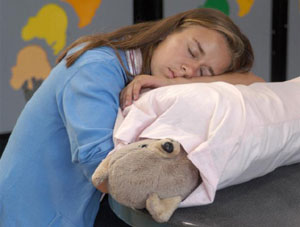 LONDON, Jan 28: Women need more sleep than men — around 20 minutes of more sleep on an average — owing to their busy and multi-tasking brain, according to a new research by a British sleep expert. LONDON, Jan 28: Women need more sleep than men — around 20 minutes of more sleep on an average — owing to their busy and multi-tasking brain, according to a new research by a British sleep expert.
“Women need 20 minutes more shut-eye than the average man. This is because women’s brains are wired differently from men’s and are more complex, so their sleep need is slightly greater,” said Professor Jim Horne, director of the Sleep Research Centre at Loughborough University in UK.
Pointing out that one of the major functions of sleep is to allow the brain to recover and repair itself, Horne said, “During deep sleep, the cortex — part of the brain responsible for thought memory, language and so on — disengages from the senses and goes into recovery mode. The more a person uses his brain during the day, the more sleep he needs at night to recover, Horne said adding, “Women tend to multi-task — they do lots at once and are flexible — and so they use more of their actual brain than men do. Because of that, their sleep need is greater.”
“A man who has a complex job that involves a lot of decision-making and lateral thinking may also need more sleep than the average male — though probably still not as much as a woman,” he told the Daily Mail.
Tomatoes 'stop you getting fat'
 LONDON, Nov 4: Nutritionists have long recognised that vegetarians and others who eat a lot of fruit and vegetables are much more likely to be slim than those drawn to a standard modern diet of highly processed foods. LONDON, Nov 4: Nutritionists have long recognised that vegetarians and others who eat a lot of fruit and vegetables are much more likely to be slim than those drawn to a standard modern diet of highly processed foods.
But now it seems it is not just down to the fact that fruit and vegetables contain fewer calories.
Tomatoes are rich in the compound lycopene, which scientists believe may help to make people feel more full by lowering appetite hormones.
Researchers from the University of Reading made their discovery by testing the effects of bread enriched with vegetables on a ground of 17 normal weight women aged 18 to 35.
The volunteers were given sandwiches either filled with cream cheese or made with bread enriched with carrot or tomato and asked to record how full they were.
The researchers had expected the additional fibre in the carrot bread to promote the most feelings of satiety or fullness, but instead they found the tomato bread was actually the most filling.
"It was a small study, and we can't yet say what the crucial tomato ingredient is, but the results were statistically significant," Dr Julie Lovegrove, a specialist in nutritional metabolism who is leading the project, said.
The lycopene found in tomatoes makes them red and is a key component of the Mediterranean diet which is credited with lowering rates of heart disease, diabetes, dementia, and some forms of cancer.
Dr Lovegrove believes it may too be the reason why the volunteers felt more full.
Doctors to get extra money to work in rural areas: Azad
NEW DELHI, Sept 17: Doctors who opt to work in rural areas will be duly compensated with extra money and weightage points that will help them while going for higher studies, health minister Ghulam Nabi Azad announced on Thursday.
"The only way to attract the attention of doctors to work in difficult, most difficult and inaccessible areas is through incentives. We have requested the states to give us the list under the above categories. We can provide extra money as extra incentive," Azad told reporters.
"Assam has already done it. To encourage rural postings, additional weightage will be given in the post graduate examination at the rate of 10 percent for each year of rural service. It will be subject to a maximum of 30 percent extra weightage for three years of rural service," he said while giving details of his ministry's achievements in the last 100 days.
Azad said this service will have to be rendered after the internship period only. This service will not only help the National Rural Health Mission, but also help the MBBS doctors in accumulating extra weightage points for further studies," he added.
The Assam government had Wednesday appointed nearly 800 doctors in a recruitment drive that is expected to revolutionise the region's rural healthcare sector.
The recruitment campaign has a catch though, as the appointments were made for a one-year period as part of the government legislation that makes it mandatory for all MBBS graduates to serve for a minimum of one year in rural health centres.
"Assam has become the first state in the country to have carried out such a historic recruitment drive by appointing 768 doctors for rural postings in one single day," state Health Minister Himanta Biswa Sarma said after handing over appointment letters to the doctors in Guwahati.
The young doctors would be getting a monthly fixed salary of Rs.25,000, besides free accommodation in their area of posting.
Yoga: New 'Om' of good sex life!
NEW DELHI: In yoga studios of suburban Delhi, there's a new asana for sexuality, which is bringing a revolution in the lives of men and women. Delhi-based yoga expert Mini Shastri advises Surya Namaskar every morning for a sacred sexual connection.
" Surya Namaskar is a combination of 12 different poses, back bends, forward bends. While doing the namaskar you contract and expand your nerves to the pelvic girdle, which is your sexual core. This stimulates your sexual hormones and helps you achieve a new sexual equilibrium. While kundalini yoga is also beneficial for a better sex life. For instance, vrkasana or the scorpio pose helps your reproductive organs.''
AWAKE YOUR SENSUAL BEING
Ellen Barrett's book Sexy Yoga, is designed to open up seven chakras (energy centers) that involve sexuality: root, sacral and heart. "Yoga means union or yoke in Sanskrit, and it focuses on bringing the body into harmony with the mind and spirit. The awareness of sexuality through yoga is deeper and more intimate. Yoga is about discovering the joys of elegant sexuality,'' says Barrett.
Why are more people rediscovering the yogic position on sexuality?
"Yoga helps you in creating a balance. Kundalini yoga helps you create bio-energy, It activates your sex hormones. There's a spiritual connection between yoga, sex and celibacy on the other. Yoga helps you achieve your needs, you can be celibate or satisfied sexually through yoga, it helps you supress or express sexual desire. Kundalini yoga is a bio-science of sexuality and psychology. It can rejuvenate through breathing exercises, which enhance consciousness, with bio-magnetic awareness, you can use your charms sexually. We have higher forms of prayananam ,'' says Kundalini yoga expert, Meena Nanda, who teaches dynamic life management for well-being.
DO WE REALLY NEED NUDE YOGA?
Perhaps, some people are taking yoga for sensuality a bit too far. Like New York-based ashtanga yoga teacher Aaron Star is the founder of Hot Nude Yoga, which combines ashtanga and vinyasa yoga session.
"The students discover breathing techniques that will help you to relax and bliss out. The practice involves the classic stretching postures and breathing exercises, coordinated with chanting and meditation to stimulate the release of so-called kundalini energy. It uses the energy of sex to raise the kundalini energy to the higher chakras. It is a good idea to be a regular practitioner of ordinary yoga before you embark on yoga for sex,'' says Star.
MUDRAS FOR SEXUAL HEALING
Sexologist Dr Prakash Kothari believes, yoga is the perfect for emotional, sexual and spiritual well-being.
"There are certain asanas that enhance physical intimacy -- bhramari prayanam , chanting of Om with eyes and ears closed reduces anxiety, helps in contracting and expanding sexual nerves. While vajrasana helps in erectile dysfunctions, vajroli and ashwini mudra can help pregnant women pursue a healthy sex life after delivery. These mudras help the pelvic muscles. I also advise surya namaskar to those who have endrocrine imbalance. If you follow these excercises, yoga can really improve your sex life.''
One more swine flu death in Mumbai, toll 29
PUNE/MUMBAI, Aug 17: Even as two more woman died of swine flu in Pune and Mumbai, raising the nationwide toll to 29 with Pune being worst hit with 13 fatalities, the district authorities in Pune announced on Monday that the closure of educational institutions and cinema halls would be extended to August 23.
Of the three suspected deaths of the flu in Mumbai, one pregnant woman died of swine flu on Monday. So far, three persons have fallen victim to H1N1 virus in the financial capital of the country. In Pune, Bina Gonsalves (36), who was admitted to Sassoon hospital on August 15 in a critical state, collapsed late on Sunday night. She was a confirmed case of swine flu.
Pune district collector Chandrakant Dalvi said though the number of deaths in the city had come down over the last three days and the number of people visiting screening centres had also fallen, the number of suspected patients was still high.
"Guardian minister Ajit Pawar and divisional commissioner Dilip Band took the decision to keep schools, colleges, tuition classes, theatres and multiplexes closed till August 23. Earlier, schools and colleges were to stay shut till August 19," Dalvi said.
To check the spread of the H1N1 virus, the district administration has decided to rope in army medical establishments to upgrade screening and treatment facilities, besides making more beds available.
"The defence establishments have extended full co-operation," Dalvi said. The army medical establishments in the city include the Military Hospital, Khadki; Armed Forces Medical College (AFMC); Military Hospital (cardio-thoracic centre) and the Cantonment General Hospital. AFMC and Command Hospital spokesperson Lt Col Abhijit Rudra said: "The proposal to extend medical amenities to civilians has been discussed and we are looking at extending help".
Dalvi said the current bed capacity for the swine flu patients in various state government and municipal corporation hospitals is 466. "Our aim is to increase it to 1,000 beds in the next few days," he said.
The collector said 8,155 patients were screened on Monday, far less than the figures for Saturday (27,288) and Sunday (13,442). Also, there were only 687 suspected cases reported on Monday as against 1,374 cases on Saturday and 1,094 on Sunday. Twenty-four fresh positive cases were reported on Monday, bringing the total number of such cases to 598.
‘‘As of today, there are 243 patients admitted in different hospitals in the city,’’ Dalvi said. ‘‘Of these, 54 are H1N1 positive and 189 are suspected cases. Eight patients are on the ventilator — two at Sassoon hospital and six at Sahyadri hospital,’’ he said.
Two die of swine flu in Pune, India toll rises to 20
NEW DELHI, Aug 13: An eleven-month-old boy and a 75-year-old woman died in severely hit virus city Pune, taking toll to 12 and another person died in Kerala on Thursday. With this the total number of deaths from swine flue have touched 20 across India.
The boy, Rutwik Kamle was admitted first to a private hospital and then shifted to government-run Sassoon Hospital on Wednesday evening in a serious condition, official sources said. He died early Thursday morning.
Bharti Goyal, who was suffering from the viral infection, died in KEM Hospital here, they said.
Besides the Pune deaths, one person each has succumbed to the virus in Ahmedabad, Vadodara, Nashik, Chennai and Thiruvananthapuram and two in Mumbai.
Ten people on Wednesday night tested positive for swine flu in Gujarat, taking the total number of those afflicted by the disease countrywide to 1,203.
While Pune remained the worst-hit area by the disease with 61 new cases being reported from the city, Gujarat's 10 new cases took the number of those infected to 27 in the State.
"All test results that were pending have come and according to them, 10 more people, including three women, have tested positive for swine flu," according to Gujarat Principal Secretary Health Ravi Saxena.
The figures include five from Ahmedabad, four from Surat and one from Navsari, Saxena said. In Navsari, a 14-year-old boy has been infected by the virus. According to the available data, a total of 125 fresh cases have been reported, taking the total number of those afflicted to 1,203.
Besides the western region, flu cases were reported from Mumbai (24), Kolkata (3), Bangalore (10), Shillong (1), Goa (1), Delhi (8) and Hyderabad (3).
In Shillong, the 17-year-old male patient had travelled to the U.K.
In Bangalore, all of the 10 cases had contracted the virus in the country and had no foreign travel history. Goa also reported one indigenous case. All the eight patients in Delhi and three in Hyderabad had acquired the infection in India.
No swine flu death in India yet: Azad
NEW DELHI, July 3: Health Minister Ghulam Nabi Azad on Friday clarified in Parliament that not a single swine flu death had been reported in India till date. He said media reports suggesting that swine flue was behind the death of a person in Kerala on July 1 were wrong as samples from the person have tested negative for H1N1.
As both Houses of Parliament discussed the pandemic on Friday, with members seeking effective intervention by the Health Ministry, Azad expressed hope that a vaccine to counter swine flu would be developed soon. The minister was intervening in a short discussion started by Congress MP Sandeep Dikshit in the Lok Sabha.
Replying to a calling attention motion in the Rajya Sabha, Azad said the number of testing laboratories has been increased from two to 18 to intensify the monitoring of the disease. He also played down the incidences of swine flu in the country saying the disease was practically “non-existent” here as compared to other countries.
“There have been 109 cases so far of which 70 have already gone back (from the hospital). Fortunately, no deaths have taken place in India,” Azad said in the Upper House, adding that 100 of the 109 cases had come to India from abroad with the US alone accounting for 70 per cent of the cases. The minister informed the House that the country was screening about 45,000 people at its international airports everyday.
Maintaining that many of the incoming cases could have been averted had the governments of affected countries followed exit screening at their airports, Azad said he had held discussions with External Affairs Minister S M Krishna to issue necessary instructions to the heads of Indian missions abroad.
Members of both Houses asked the government to take steps to control the rising incidences of swine flu in the country. While BJP MP Maneka Gandhi criticised the over-reaction about the swine flu disease, urging the government to control “scare-mongering” over the disease, her Rajya Sabha colleague CP Thakur asked the government to depute more doctors at airport for screening.
Rural stint to fetch doctors double pay
 NEW DELHI, July 2: Doctors willing to work in India's most far flung and inaccessible areas may soon earn double of what their urban counterparts do in a decision borne out of the recognition that cash to the far flung areas. NEW DELHI, July 2: Doctors willing to work in India's most far flung and inaccessible areas may soon earn double of what their urban counterparts do in a decision borne out of the recognition that cash to the far flung areas.
In order to provide quality healthcare to people in isolated regions under the National Rural Health Mission, the health ministry has decided to identify "difficult, most difficult and inaccessible areas, particularly in hilly states, northeastern states and tribal areas" where primary health centres (PHCs) would be set up.
The ministry, through NRHM, will then make funds available for contractual appointments of doctors and paramedical staff and "provide significantly higher monetary incentives based on location of posting".
Even though PHCs are the first port of call for the sick in rural areas, the majority of them have no trained medical personnel.
Health minister Ghulam Nabi Azad said, "There has been a significant increase in attendance of out-patients and in-patient cases in PHCs and community health centres (CHCs) under the NRHM. But more needs to be done for remote parts of the country."
He added, "Because of lack of incentives from state governments, no doctor wants to work in the country's most backward areas. We will therefore identify the most isolated areas, pinpoint where the state can set up a PHC and then give them funds to hire doctors on contract."
On the ministry's earlier proposal about making a one-year stint in villages compulsory for all MBBS students, Azad said this could form part of a long-term solution plan being devised by the ministry.
According to an NRHM report earlier, nearly 8% PHCs don't have a doctor while nearly 39% were running without a lab technician and about 17.7% without a pharmacist. To compound the problem, PHCs in some states don't have adequate labour rooms and operation theatres.
The condition of CHCs, supposed to provide specialised medical care, is equally appalling. Out of the sanctioned posts, about 59.4% of surgeons, 45% of obstetricians and gynaecologists, 61.1% of physicians and 53.8% of paediatricians were found to be vacant. Moreover, there was a shortfall of 70.2% specialists at the CHCs.
Azad also promised setting up of a National Council for Human Resources in Health -- an overarching regulatory body that will look to enhance skilled medical personnel.
India is short of 6 lakh doctors, 10 lakh nurses and 2 lakh dental surgeons because of which it has a dismal patient-doctor ratio. For every 10,000 Indians, there is one doctor.
"One of the major bottlenecks in our efforts to improve the public healthcare system is the overwhelming shortage of specialist doctors and paramedical personnel. We are therefore formulating a scheme for strengthening and upgradation of state government medical colleges to increase post-graduate medical seats in departments where there is critical shortage like gynaecology, anaesthesia and paediatrics," Azad said, while announcing his 100-day agenda for the health sector.
Azad clears 150 medical, dental colleges
NEW DELHI, June 18: Union health minister Ghulam Nabi Azad on Wednesday gave his nod to no less than 150 educational institutions including medical, dental,ayurveda and unani colleges.
Officials justified the huge numbers by saying that these permissions had been pending for several years with the ministry and has come in the wake of numerous public complaints of undue delay in processing cases.
While this may appear to be a reflection on the performance of his immediate predecessor, the move is sure to raise eyebrows in certain quarters. Coming at a time when there is growing concern that education regulators are turning a blind eye to quality in their haste to recognise private professional institutions, it is sure to raise eyebrows in certain quarters.
Every institute offering medical education has to get annual clearance from the health ministry which is based on the recommendations of the Medical Council of India or Dental Council, depending on the courses offered.
The minister has on his part claimed that all cases from now on will be taken up without delay. In a clear reference to middle-men, Azad said if any medical institute was found greasing palms of the ministry officials for clearing files, sanctions for colleges, or for increasing seats, strict action will be taken against the erring official and the institute concerned as well.
In his stern message to officials, Azad has made it clear that neither middlemen nor any agents would be tolerated in the ministry for clearing any file of medical institutes.
He said any institute found hiring services of such individuals would be severely punished and could also result in cancellation of existing permissions to run the colleges.
Officials said that in his drive against agents, Azad has asked for complaint boxes to be placed at his office and residence to receive complaints against any middlemen or official seeking illegal gratification either in medical councils or in the ministry.
The health minister has also directed the Medical Council of India and the Dental Council of India to take up pending recommendations of colleges before June 15 so that semesters could begin by August 1 every year.
WHO: Influenza A H1N1 pandemic has begun, 1st in 41 years
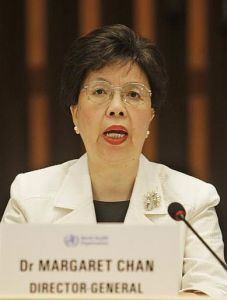 GENEVA, June 11: The World Health Organization told its member nations it was declaring aInfluenza A H1N1 pandemic on Thursday -- the first global flu epidemic in 41 years -- as infections climbed in the United States, Europe, Australia, South America and elsewhere. GENEVA, June 11: The World Health Organization told its member nations it was declaring aInfluenza A H1N1 pandemic on Thursday -- the first global flu epidemic in 41 years -- as infections climbed in the United States, Europe, Australia, South America and elsewhere.
In a statement sent to member countries, WHO said it decided to raise the pandemic warning level from phase 5 to 6 -- its highest alert -- after holding an emergency meeting onInfluenza A H1N1 with its experts.
The long-awaited pandemic decision is scientific confirmation that a new flu virus has emerged and is quickly circling the globe. It will trigger drugmakers to speed up production of aInfluenza A H1N1 vaccine and prompt governments to devote more money toward efforts to contain the virus.
``At this early stage, the pandemic can be characterized globally as being moderate in severity,'' WHO said in the statement, urging nations not to close borders or restrict travel and trade. ``(We) remain in close dialogue with influenza vaccine manufacturers.''
On Wednesday, WHO said 74 countries had reported nearly 27,737 cases ofInfluenza A H1N1, including 141 deaths.
The agency has stressed that most cases are mild and require no treatment, but the fear is that a rash of new infections could overwhelm hospitals and health authorities -- especially in poorer countries.
Still, about half of the people who have died from Influenza A H1N1 were previously young and healthy -- people who are not usually susceptible to flu.
Swine flu is also continuing to spread during the start of summer in the northern hemisphere. Normally, flu viruses disappear with warm weather, but Influenza A H1N1 is proving to be resilient.
The last pandemic -- the Hong Kong flu of 1968 -- killed about 1 million people. Ordinary flu kills about 250,000 to 500,000 people each year.
Many health experts say WHO's pandemic declaration could have come weeks earlier but the agency became bogged down by politics. In May, several countries urged WHO not to declare a pandemic, fearing it would cause social and economic turmoil.
``This is WHO finally catching up with the facts,'' said Michael Osterholm, a flu expert at the University of Minnesota who has advised the U.S. government on pandemic preparations.
Despite WHO's hopes, raising the epidemic alert to the highest level will almost certainly spark some panic about spread of swine flu.
Fear has already gripped Argentina, where thousands of people worried about Influenza A H1N1 flooded into hospitals this week, bringing emergency health services in the capital of Buenos Aires to the brink of collapse. Last month, a bus arriving in Argentina from Chile was stoned by people who thought a passenger on it had swine flu. Chile has the most Influenza A H1N1 cases in South America.
In Hong Kong on Thursday, the government ordered all kindergartens and primary schools closed for two weeks after a dozen students tested positive forInfluenza A H1N1 -- a move that some flu experts would consider an overreaction.
In the United States, where there have been more than 13,000 cases and at least 27 deaths fromInfluenza A H1N1, officials at the U.S. Centers for Disease Control and Prevention said the move would not change how the U.S. tackledInfluenza A H1N1.
``Our actions in the past month have been as if there was a pandemic in this country,'' Glen Nowak, a CDC spokesman, said Thursday.
The U.S. government has already taken steps like increasing availability of flu-fighting medicines and authorizing $1 billion for the development of a new vaccine against the novel virus. In addition, new cases seem to be declining in many parts of the country, U.S. health officials say, as North America moves out of its traditional winter flu season.
Still, Osterholm said the declaration was a wake-up call for the world.
``I think a lot of people think we're done withInfluenza A H1N1, but you can't fall asleep at the wheel,'' he said. ``We don't know what's going to happen in the next 6 to 12 months.''
Number of Influenza A H1N1 cases in India climbs to 15
NEW DELHI, June 11: Three more persons tested positive for Influenza A H1N1 on Thursday, taking the total number of such cases in the country to 15.
In the capital, a 41-year-old woman, who travelled from Haiti, was the latest case of Influenza A H1N1 and has been admitted to the Ram Manohar Lohia hospital.
A 25-year old woman, travelling from New York to Delhi, who reported fever and cough on June 9, 2008, has also tested positive.
The father of the 17-year old student from Boston, who had also shown symptoms of the disease on Wednesday, has tested negative for the virus, a senior health ministry official said.
The other positive case was a male passenger who had come from London via Germany in Goa. He has been quarantined at PHC Chicalim, a few kilometres away from the Goa airport.
Two suspected cases of Influenza A H1N1 were also reported from Punjab and Chandigarh, state Government officials said.
One of them is Manjinder Singh Kang, an MLA from Beas in Punjab, who recently returned from UK with fever and has been advised to stay indoors.
Of the total number of Influenza A H1N1 cases, five are from Delhi, seven from Hyderabad, two from Coimbatore and one from Goa.
Meanwhile, the health screening of passengers at 21 international airports across the country continued.
Flu epidemic fear grips world, Mexico cowers
MEXICO CITY, April 27: The threat of a flu pandemic gripped the world on Monday, as a virus that has killed 103 people in Mexico and shut down chunks of the capital spread to the United States and as far as New Zealand.
The dollar weakened along with Mexico's peso as Asian markets were rattled by an outbreak that ballooned over the weekend, prompting the World Health Organisation to activate its 24-hour 'war room' command center.
No deaths have occurred outside Mexico from the new strain of swine flu but 20 cases have been identified in the United States and six in Canada. Possible cases are being checked as far afield as Europe, Israel and New Zealand.
Mexico, a major exporter of oil, coffee and factory goods, faced a week unlike any before as schools were closed in several states in order to slow the spread of the virus and the densely populated capital ground to a halt. Mexico City's bars, museums and stadiums shut and many office workers were set to work from home as a precaution.
Many in the capital spent the weekend hunkered at home or wore blue surgical face masks handed out by truckloads of soldiers to venture out onto strangely hushed streets. The city government mulled halting public transport.
"The idea of spending 10 days in the house with two small children, with no cafes, no museums, is totally unappealing so I'm going to San Diego," said an American expatriate, CR Hibbs, who was headed out of the city with her kids.
Health Minister Jose Angel Cordova said late on Sunday that the flu had killed 103 people in Mexico and about 400 people were hospitalized.
A glimmer of hope was that most patients had recovered.
The new flu strain, a mixture of various swine, bird and human viruses, poses the biggest risk of a large-scale pandemic since avian flu surfaced in 1997, killing several hundred people. A 1968 Hong Kong flu pandemic killed about 1 million people globally.
The United States declared a public health emergency on Sunday. Although most cases outside Mexico were relatively mild, a top official at the Centers for Disease Control and Prevention, said she feared there might be U.S. fatalities.
Bullfights, masses
Mexico, whose government already is grappling with a murderous drug cartel war and a slumping economy, faced a dent to its economy with shoppers and diners expected to stay home this week.
Mexico City Mayor Marcelo Ebard said closures in the capital could last 10 days. Far away in the Pacific party-town of Acapulco, hundreds of nightclubs were shuttered.
Now, an anti-impotency drug that can be rubbed into skin
LONDON, April 27: Popping the common erectile dysfunction pill before sex could soon be a passé. Scientists have come up with what they claim is a new generation of more effective anti-impotency drugs which can be rubbed into skin.
An international team has successfully tested the new technique -which involves tiny objects called nanoparticles - on laboratory rodents and believe it could also be used to help humans, The Daily Telegraph reported.
According to the scientists, under the new therapy, nanoparticles that release the anti-erectile chemical nitric oxide are rubbed on the problem area, and absorbed directly into the skin.
In fact, of the seven rats treated by the team, led by the Albert Einstein College of Medicine, New York, five showed signs of arousal, the findings of which are presented at the American Urological Association.
"This is a very interesting concept which has potential to impact treatment of many conditions including erectile dysfunction if it can be translated from the animal lab to clinical practice," said Ira D Sharlip of the AUA.
However, according to the scientists, the new treatment would likely have fewer side effects than the common pill, which is taken orally and been shown to cause headaches and facial flushing.
Now, grow bigger breasts naturally!
 LONDON, March 30: Artificial breast implants will soon be a passé. You would soon be able to enlarge your breasts 'naturally', thanks to scientists who have developed a new stem cell therapy which can boost a woman's cup while reducing her stomach fat. LONDON, March 30: Artificial breast implants will soon be a passé. You would soon be able to enlarge your breasts 'naturally', thanks to scientists who have developed a new stem cell therapy which can boost a woman's cup while reducing her stomach fat.
A team at Princess Grace Hospital in Britain has come up with the treatment that involves extracting stem cells from the spare fat on belly or thighs and growing them in a woman's breasts, The Sunday Times reported.
In fact, during the process, cells are isolated from the excess fat on stomach or thighs and then the concentrated stem cells are mixed with another batch of fat before finally being injected into the breast. However, it could take several months for the breast to achieve the desired size and shape.
According to the scientists, an increase of one cup size is likely with the potential for larger gains as the technique actually improves.
Professor Kefah Mokbel, who is leading the team, said: "Implants are a foreign body. They are associated with long- term complications and require replacement. They can also leak and cause scarring.
"This (new technique) is a very exciting advance in breast surgery. They (breasts treated with stem cells) feel more natural because this tissue has the same softness as the rest of the breast."
A trial, involving ten breast cancer patients who had their assets removed, has already started in Britain. Another project is underway to check the technique on healthy women seeking breast enlargement.
According to the scientists, the stem cell treatment may be suitable only for modest increases in breast size, but will conduct research to find out whether larger augmentations can be achieved.
"We are optimistic we can easily achieve an increase of one cup size. We can't say yet if we can achieve more. That may depend on the stem cells we can harvest," Mokbel said.
An artificial heart for Rs 1 lakh, courtesy IIT Karagpur
KOLKATA, March 19: It'll be to coronary care what Nano is to cars, say scientists at Indian Institute of Technology, Kharagpur, who have devised an artificialheart that could save lives for just Rs 1 lakh.
The research team says trials of the prototype lab—constructed heart have been successful on small animals and the gadget is being perfected on goats. The institute has applied for permission to conduct human trials.
The Total Artificial Heart (TAH) — said to be the first such in the country — has been developed by a team of scientists at IIT-Kgp's school of medical science and technology.
After four years of painstaking research, the scientists say their creation is better and far more affordable than the first artificial heart developed in the US, which showed a ``high rate failure'' and at Rs 30 lakh, beyond the reach of the common man.
The inventors hope to fit the heart into an ailing patient within a few months, once permissions from the Indian Council of Medical Research come through. The unique 13—chamber heart is working fine in small animals, said a member of the team. Human tests are to be conducted at Medical College and Hospital (MCH), Kolkata.
Senior cardiac surgeons — Madhusudan Pal, Bhaskar Ukil, Tarun Saha and Kalishankar Das from MCH and Rajiv Narang of AIIMS, Delhi — will conduct the human trials.
``We are also in touch with P Venugopal, former AIIMS director and one of the leading cardiac surgeons of the country. We expect him to be part of the team as well,'' said Sujoy Guha, IIT-Kgp faculty member and bio-medical engineering expert, who is leading the artificial-heart team.
``The TAH will be of great help to patients whose heart muscles have become so weak that they need immediate transplantation. Angioplasty, stents and even bypass surgery are of no use for such patients because they cannot strengthen muscles. It is difficult to find donor organs and even if transplantation is done, the body develops auto rejection and severe medication is required to suppress immune reactions," said Guha.
``TAH will be a life-saver, for the price of a Tata Nano,'' said one of the scientists. ``Bengal may have lost the Nano, but the world cannot miss this Rs 1-lakh invention.''
|


